Steam Boiler Used in Paper Industry and Paper Mill
2026-07-30
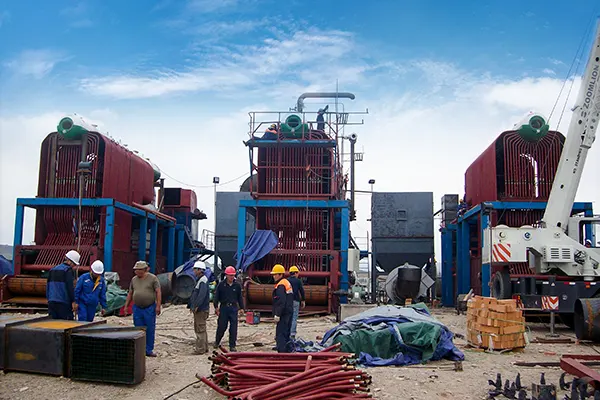
The steam produced in the boilers is used to cook wood chips (along with the cooking chemicals). Steam is sent to dryer cans or Yankee dryer to remove the water from the sheet that the drainage, vacuum, and mechanical pressing sections of the paper boiler machine can't accomplish. The steam from the boilers is also used throughout the mill in heat exchangers, steam-traced piping, stock chests, etc.
The most obvious use of the boiler is to produce power. Power can be produced by combustion of bark, black liquor (Kraft), and fuel oil, among others. The electricity produced within the mill reduces costs associated with the large electrical demand of a paper mill and potentially increases reliability vs using outside power (outages, storms, etc.).
In the Kraft Recovery Process (liquor loop), white liquor is used to cook wood chips and yields pulp and weak black liquor (separated by washing in multiple steps). This weak black liquor is concentrated in evaporators (another large steam user) to produce a fuel the recovery boiler(s) can use to produce power and process steam. The inorganic portions fall into the smelt tank and are dissolved to produce green liquor. This green liquor is then re-causticized to produce white liquor (hence the term liquor loop). This recovery loop aids in saving money by reducing waste of cooking chemicals, producing steam, and producing power. Imagine if fresh cooking chemicals had to be purchased and used exclusively to cook the chips! The recovery loop, with the recovery boiler playing a key role, makes paper mill operations economical.
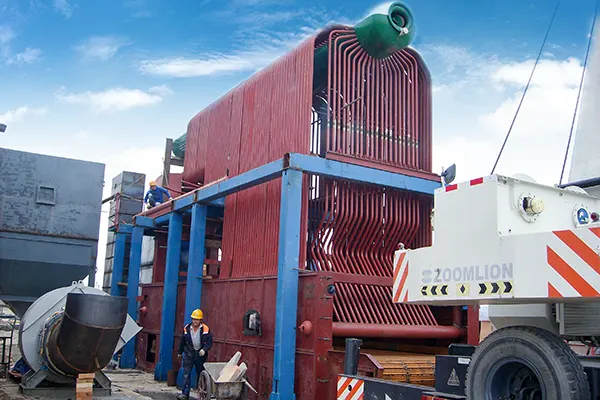
Many paper factories choose XHJ biomass boilers, because it has high thermal efficiency and strong adaptability. It can well match the kraft process and liquor loop system, help paper mill save more running cost in long term.
Steam Boiler,Paper Industry Boiler,Paper Mill Steam Boiler