Coal-Fired Boilers Structural Configurations
2026-07-23
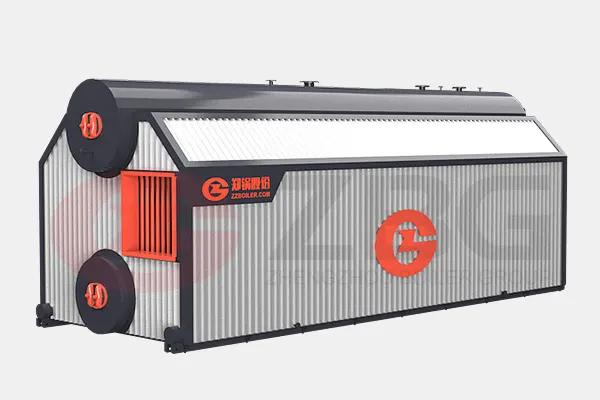
There are four common types of coal-fired boiler configurations:
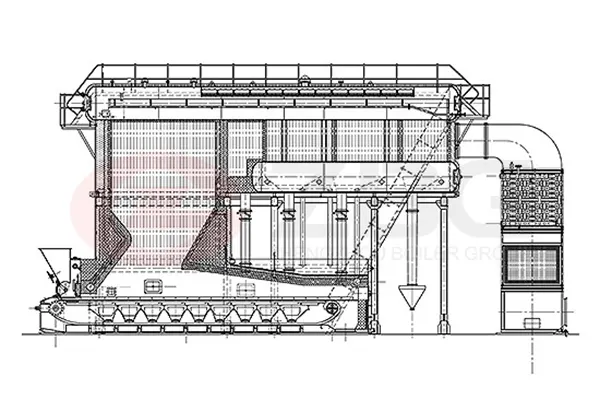
Chain-grate boilers: Chain-grate boilers are the most widely used. They feature continuous fuel feeding and stable combustion, making them suitable for medium- to large-scale industrial steam and hot water systems. Their key features include automatic coal feeding, continuous combustion, stable operation, and easy maintenance.
Reciprocating grate boilers: These are suitable for biomass and coal fuels with high moisture content and high volatile matter, offering strong combustion adaptability.
Circulating Fluidized Bed (CFB) Boilers: CFB boilers feature high combustion efficiency, a wide range of fuel compatibility, and low pollutant emissions; they can burn low-calorific-value coal, biomass, and industrial waste.
Chamber-Fired Boilers: Chamber-fired boilers are primarily used for pulverized coal combustion. They offer rapid combustion and high thermal efficiency, making them suitable for large-scale power generation boilers and district heating projects.
Based on boiler body structure, coal-fired boilers can also be classified into: horizontal boilers, vertical boilers, single-drum boilers, double-drum boilers, water-tube boilers, and fire-tube boilers. Different structures are suitable for different capacities and application scenarios.
XHJ recommends that customers comprehensively consider fuel type, steam demand, environmental requirements, investment budget, and long-term operating costs when selecting a model. For industrial enterprises, choosing a boiler design that is proven, reliable, highly efficient, and easy to maintain can significantly improve production efficiency and reduce overall energy consumption.
If you would like to learn more about coal-fired boiler designs and selection criteria, please contact XHJ, a coal-fired boiler manufacturer, for professional guidance on selecting the right coal-fired boiler.