Biomass Boilers Fuels Types Introduction
2026-07-23
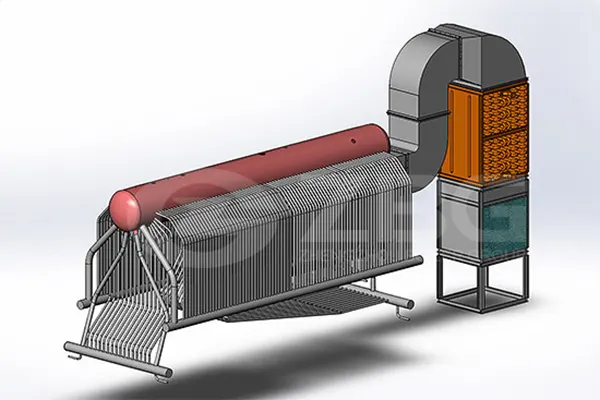
Biomass boiler is a clean energy boiler that uses agricultural waste, forestry waste, and processing residues as fuel. Due to the wide availability of fuel sources and relatively low operating costs, these boilers are attracting increasing attention from industrial enterprises.
Depending on their design, biomass boilers can burn a variety of fuels, including: wood pellets, wood chips, sawdust, palm kernel shells, rice husks, corn cobs, peanut shells, bagasse, corn stover pellets, wheat straw pellets, coconut shells,
and bamboo shavings.
Different fuels have varying calorific values, ash content, and moisture content, so they should be selected appropriately based on the boiler’s design.
How to Choose the Right Fuel?
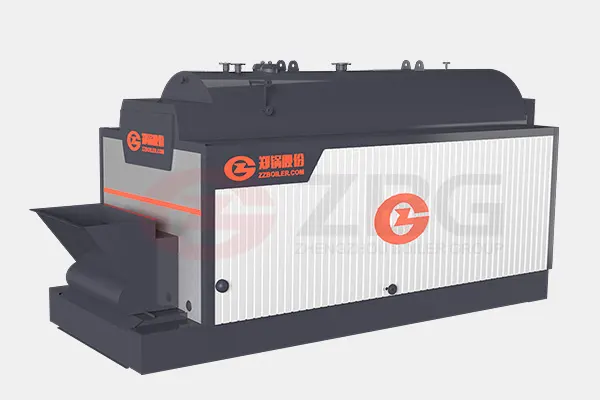
When selecting fuel, enterprises should focus on the following aspects: high calorific value, low moisture content, low ash content, uniform particle size, stable local supply, and reasonable cost. Fuels that meet these requirements not only improve boiler thermal efficiency but also reduce ash buildup, coking, and maintenance costs.
With the global development of green energy, biomass boilers have become essential equipment for industrial energy conservation and emissions reduction. In the future, the application of renewable fuels will expand further, offering enterprises more opportunities to reduce energy costs and lower carbon emissions.
As a professional manufacturer of biomass boilers, XHJ can provide users with biomass steam boilers and biomass hot water boilers ranging from 1 to 100 tph, including chain grate, fluidized bed, reciprocating grate, and thermal oil configurations. We welcome inquiries and orders from interested customers.